
Best Flooring for High-Traffic Commercial Buildings: How to Choose the Right Option
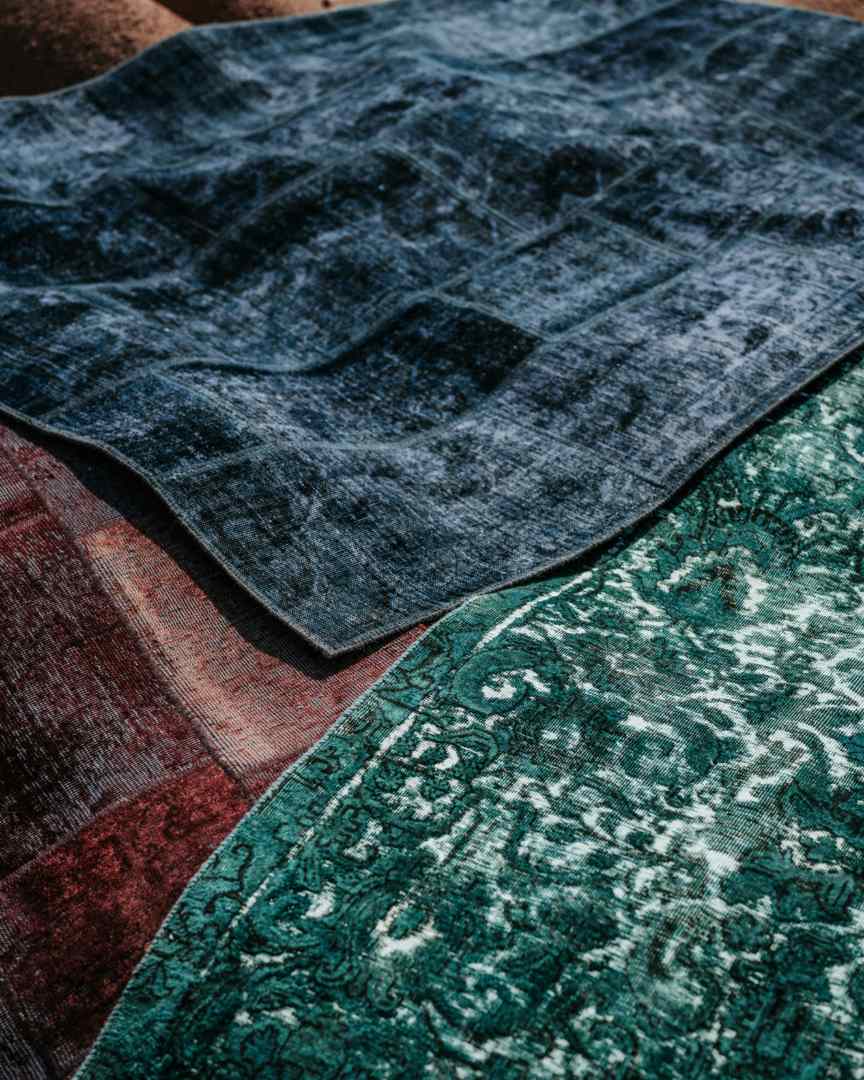
Choosing the right commercial carpet is not only about colour or design. Hotels, cinemas and auditoriums require carpets that can handle heavy footfall, improve acoustics, meet fire-safety standards and complement the overall interior. This guide explains the most important factors to consider before selecting a carpet for a commercial space.
Introduction
In commercial spaces, flooring has to perform under constant pressure. Hotels welcome guests throughout the day, cinemas experience repeated footfall between shows, and auditoriums often accommodate hundreds of people at a time. The carpet selected for these spaces must therefore offer more than an attractive pattern.
A well-chosen commercial carpet contributes to comfort, noise reduction, safety, durability and the overall visual identity of the property. It can help a hotel corridor feel quieter, make a cinema hall more immersive and give an auditorium a polished, professional appearance.
However, choosing a carpet only on the basis of colour or price can lead to premature wear, difficult maintenance and frequent replacement. The right decision begins with understanding how the space will be used.
Usage Requirements
Every commercial environment places different demands on its flooring. A hotel bedroom, banquet hall, cinema aisle and auditorium entrance may all require different carpet specifications.
Hotel rooms generally focus on comfort, warmth and visual appeal. Corridors and lobbies, on the other hand, require stronger construction because they experience significantly higher footfall. Cinemas need carpets that support sound absorption and low-light visibility, while auditoriums require a balance of durability, fire safety and acoustic performance.
Before selecting a carpet, consider how many people will use the space, how often it will be cleaned, whether food or beverages will be served and whether furniture or equipment will be moved regularly.
The more accurately the usage conditions are understood, the easier it becomes to select the right material, construction and design.
Material Selection
Carpet fibre has a direct impact on durability, appearance retention and maintenance. For high-traffic commercial spaces, nylon is one of the most widely preferred materials because of its strength, resilience and ability to recover from compression.
Nylon carpets are suitable for hotel corridors, banquet halls, cinema aisles, offices and auditoriums. They can withstand regular movement while maintaining their shape and appearance for longer periods.
Wool and wool-blend carpets are often chosen for premium interiors because they offer comfort, natural softness and an elegant finish. They are particularly suitable for luxury hotels, executive lounges and upscale hospitality spaces.
Polypropylene can be considered for specific budget-sensitive applications, but the decision should be based on the expected traffic and long-term performance requirements.
The ideal material is not always the most expensive option. It is the one that best matches the conditions of the project.
Carpet Construction
Commercial carpets are available in multiple formats, and each one offers different advantages.
Wall-to-wall carpets create a seamless and premium appearance. They are commonly used in hotels, banquet halls, cinemas and auditoriums where visual continuity and comfort are important.
Carpet tiles are modular and easier to replace in sections. They are well suited for offices, conference rooms and commercial spaces where access to underfloor wiring or quick maintenance may be required.
Printed carpets allow businesses to introduce custom patterns, brand-inspired colours and detailed visual elements. They are frequently used in hospitality interiors, cinemas and entertainment spaces.
Hand-tufted rugs provide a more artistic and customised appearance. They are generally used as focal pieces in hotel lobbies, luxury suites, reception areas and private lounges.
The choice of construction should depend on the size of the area, installation requirements, maintenance expectations and design objective.
Frequently Asked Questions
Which carpet is best for hotel corridors?+
Nylon wall-to-wall carpets are a strong option for hotel corridors because they offer durability, resilience and good appearance retention under regular footfall.
Are carpets suitable for cinemas and auditoriums?+
Yes. Carpets are widely used in cinemas and auditoriums because they improve acoustic comfort, reduce footstep noise and provide a finished visual appearance.
Can commercial carpet patterns be customised?+
Yes. Colours, patterns, scale and construction can be customised based on the interior theme, project requirements and application area.
What is the difference between wall-to-wall carpet and carpet tiles?+
Wall-to-wall carpet creates a continuous and premium finish, while carpet tiles are modular and allow individual sections to be replaced more easily.
Why is fire rating important for commercial carpets?+
Fire-rated carpets help meet safety requirements in public and high-occupancy spaces such as hotels, cinemas, auditoriums and banquet halls.
Still deciding?
Can't find what you're looking for?
Tell us the space and the problem — we'll tell you which carpet solves it.
More Destination Guides & Insights

Ex expedita ratione
Ex est qui nulla ex
Molestiae magna obca
Voluptate similique

Trends in Office Space Flooring for 2026
As office spaces evolve, so do the flooring trends that define them. Discover what is new.
Maintaining Elegance in Hospitality Flooring
In the hospitality sector, flooring sets the tone for luxury and comfort.
The Ultimate Guide to Selecting Commercial Carpets
Selecting the perfect carpet for a commercial space requires balancing aesthetics, durability, and maintenance.